How Long Do Professionally Painted Kitchen Cabinets Last?
This is a subtitle for your new post
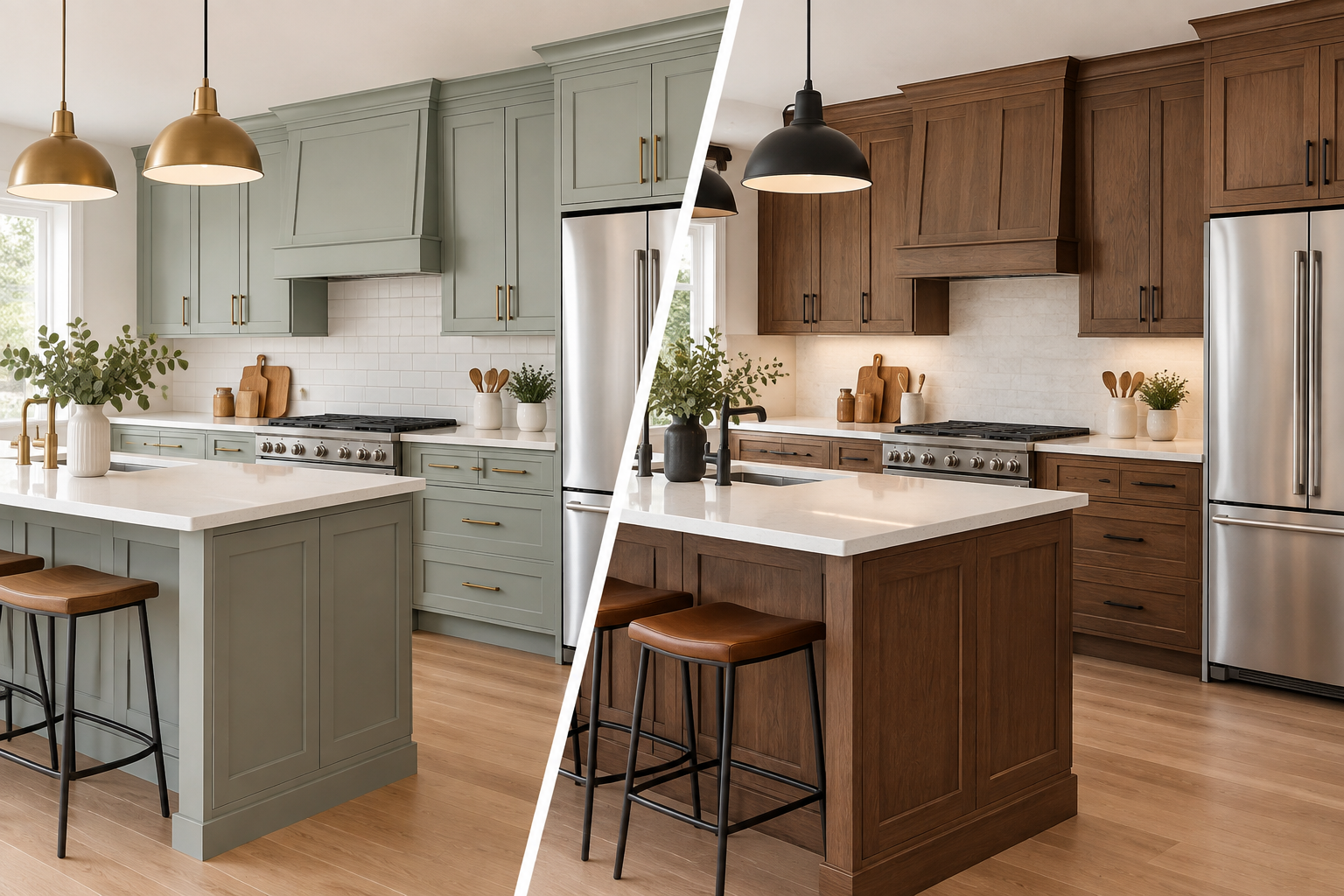
Professionally painted kitchen cabinets can provide a beautiful, durable finish for many years when the cabinets are properly prepared, coated, cured, and maintained. Fulltime Cabinet Painting states that its professional Italian coating system is designed to provide an 8–10-year finish life with proper care.
Actual longevity depends on several factors, including the condition of the cabinets, surface preparation, coating quality, daily kitchen use, moisture exposure, cleaning habits, and how homeowners treat the finished surfaces.
For homeowners in New Franklin, North Canton, Stow, Hudson, Green, and surrounding Northeast Ohio communities, professional cabinet painting can be a practical way to update a kitchen without replacing structurally sound cabinetry.
How Long Does Cabinet Painting Last?
There is no single lifespan that applies to every painted kitchen.
A professionally completed cabinet-painting project may continue looking attractive for years, while poorly prepared or improperly coated cabinets can begin showing problems much sooner.
Fulltime Cabinet Painting indicates that its professional cabinet coating process can provide an expected finish life of approximately 8–10 years when properly maintained.
The lifespan of your specific finish depends on factors such as:
- Cabinet material and condition
- Existing coatings or finishes
- Surface preparation
- Primer or coating compatibility
- Quality of the cabinet coating
- Application technique
- Curing conditions
- Kitchen ventilation
- Exposure to grease and moisture
- Cleaning methods
- Frequency of use
- Wear around handles and high-touch areas
This is why asking only, “How long does cabinet paint last?” does not tell the whole story.
A better question is: What makes professionally painted cabinets last longer?
Why Surface Preparation Matters for Cabinet Durability
Surface preparation is one of the most important parts of professional cabinet painting.
Kitchen cabinets are not clean, untouched surfaces. Even cabinets that appear clean can accumulate cooking oils, grease, food residue, dust, cleaning products, and contaminants over years of everyday use.
Applying a new coating without adequately preparing the surface can create adhesion problems.
Professional preparation may involve several steps depending on the cabinet material and existing finish. The goal is to create a surface that allows the new coating system to adhere properly.
Typical preparation can include:
- Removing doors and drawer fronts
- Removing or protecting hardware
- Cleaning and degreasing surfaces
- Addressing minor surface imperfections
- Sanding or scuffing when appropriate
- Removing dust and residue
- Applying compatible primers when required
- Preparing a controlled area for coating application
The exact process varies because not every cabinet starts in the same condition.
Benjamin Moore's cabinet-painting guidance also stresses the importance of cleaning and preparation before primer and paint are applied.
Preparation may not be the most visually exciting part of cabinet refinishing, but it has a major influence on the finished product.
Does Professional Cabinet Coating Last Longer Than Regular Wall Paint?
Cabinets and walls experience very different types of wear.
Most walls are primarily decorative surfaces. Cabinets are touched constantly. Doors are opened and closed, drawer fronts are pulled, spills happen, cooking produces grease and moisture, and surfaces are cleaned repeatedly.
That means cabinet coatings need to handle regular contact and cleaning.
A professional cabinet painter should select products and application methods appropriate for cabinetry rather than treating the job exactly like an ordinary wall-painting project.
Fulltime Cabinet Painting highlights the use of professional Italian coating systems for its cabinet work. For homeowners comparing contractors, coating selection is an important question to ask.
Instead of simply asking, “What brand of paint do you use?” consider asking:
- Is this coating specifically appropriate for cabinets?
- How is the surface prepared?
- Is primer required for my cabinets?
- How are doors and drawer fronts coated?
- How long does the coating need to cure?
- When can I begin normal cleaning?
- What maintenance products should I avoid?
These questions can tell you much more about the expected result.
What Is the Difference Between Drying and Curing?
One common mistake is assuming that paint is fully hardened as soon as it feels dry.
Drying and curing are not the same thing.
A coating can feel dry to the touch before it has reached its full cured properties. Curing is the process through which the coating develops its intended hardness and performance.
This matters because newly painted cabinet doors can be more vulnerable during the early period after application.
Homeowners should follow the cabinet painter's instructions regarding when they can resume normal use and cleaning.
During the initial curing period, it may be wise to avoid:
- Aggressive scrubbing
- Harsh chemical cleaners
- Excessive moisture
- Slamming cabinet doors
- Scraping surfaces with hard objects
- Placing adhesive materials on fresh finishes
The exact curing instructions depend on the coating system used, so always follow the contractor's project-specific recommendations.
What Makes Painted Cabinets Wear Out Faster?
Even professionally painted cabinets are not indestructible.
Daily habits can affect their appearance over time.
1. Constant Moisture
Areas around sinks, dishwashers, and coffee stations may experience more moisture than other parts of the kitchen.
Standing water should be wiped away rather than left on cabinet surfaces.
2. Grease Buildup
Cooking grease can accumulate gradually, especially around the range and nearby upper cabinets.
Regular gentle cleaning is usually easier on the finish than allowing heavy buildup to develop and later requiring aggressive scrubbing.
3. Harsh Cleaning Products
Abrasive pads and strong chemical cleaners can damage some painted finishes.
Always follow the coating manufacturer's or painting contractor's cleaning recommendations.
4. Repeated Impact
Rings, fingernails, cookware, children's toys, and other hard objects can chip or scratch almost any painted surface if struck forcefully enough.
5. Pulling Doors From Painted Edges
Cabinets without knobs or pulls may receive more direct hand contact along door and drawer edges.
Hardware can help reduce repeated touching of painted surfaces.
6. Poor Ventilation
Cooking produces heat, moisture, and airborne grease.
Using appropriate kitchen ventilation can help manage these conditions.
The U.S. Environmental Protection Agency recommends using kitchen exhaust fans vented outdoors to help remove moisture and pollutants generated by cooking.
How Can You Make Painted Kitchen Cabinets Last Longer?
Good maintenance does not have to be complicated.
The goal is to keep surfaces clean without subjecting them to unnecessary abrasion or moisture.
Clean Spills Promptly
Food, grease, and water are easier to remove when addressed quickly.
Do not allow liquids to remain pooled against cabinet doors, frames, or edges.
Use Gentle Cleaning Methods
Follow the contractor's recommendations for the coating used on your cabinets.
In many cases, gentle cleaning with a soft cloth is preferable to aggressive scrubbing.
Avoid assuming that a cleaner is safe simply because you already use it elsewhere in the kitchen.
Use Cabinet Hardware
Knobs and pulls give family members a designated point to touch when opening doors and drawers.
This can help reduce oils and repeated wear directly on painted edges.
Use Your Range Hood
Ventilation helps control moisture and airborne cooking residue.
This is especially helpful in kitchens where cooking occurs frequently.
Avoid Slamming Doors
Repeated impact puts unnecessary stress on both the cabinet hardware and finished surfaces.
Soft-close hinges can help where compatible with the existing cabinetry.
Follow Initial Care Instructions
The first days and weeks after painting can be particularly important because the coating may still be curing.
Do not rush into aggressive cleaning just because the surface feels dry.
Is Professional Cabinet Painting Worth It for Older Cabinets?
Age alone does not determine whether cabinets are worth painting.
Some older cabinets remain structurally strong and functional. If the boxes are solid, doors and drawers operate correctly, and the homeowner likes the layout, professional painting can give existing cabinetry a completely different appearance.
On the other hand, paint should not be used to disguise serious structural deterioration.
Replacement may deserve consideration when cabinets have:
- Significant water damage
- Failing cabinet boxes
- Severe delamination
- Broken structural components
- Extensive deterioration
- A layout that no longer works for the household
If your cabinets are structurally sound but simply look dated, refinishing may allow you to preserve what works while changing what you see.
Professional Cabinet Painting vs. DIY Longevity
DIY cabinet painting can produce attractive results, but durability depends heavily on preparation, materials, equipment, technique, and patience.
Cabinet painting requires more than selecting a color and brushing it onto the doors.
Homeowners must consider cleaning, sanding or other preparation, primer compatibility, coating selection, application conditions, recoat times, and curing.
A professional cabinet painter already has a defined process for these steps.
That can be especially valuable when the goal is not merely to make the cabinets look good in photos but to create a finish intended to handle everyday kitchen use.
If you are searching for the best cabinet painter near me, ask potential contractors to explain their complete process rather than judging solely by price.
Cabinet Painting in New Franklin and Northeast Ohio
A professionally refinished kitchen can make a major visual difference without requiring homeowners to replace otherwise functional cabinets.
Fulltime Cabinet Painting serves homeowners in New Franklin, North Canton, Stow, Hudson, Green, and surrounding Northeast Ohio areas with professional cabinet painting and refinishing services.
Whether you have older stained wood cabinets in Hudson or want to brighten a kitchen in Green or New Franklin, the first step is determining whether your existing cabinets are suitable for refinishing.
FAQs About How Long Cabinet Painting Lasts
How many years can professionally painted cabinets last?
Cabinet-painting longevity varies according to preparation, coating system, cabinet condition, use, and maintenance. Fulltime Cabinet Painting states that its professional Italian coating system is expected to provide an 8–10-year finish life with proper care. Individual results can vary based on household conditions and treatment.
Do painted kitchen cabinets chip easily?
Properly prepared and professionally coated cabinets should be designed to withstand normal kitchen use, but no painted surface is immune to damage. Hard impacts, sharp objects, moisture, harsh cleaners, and improper preparation can contribute to chipping or premature wear.
How do I keep professionally painted cabinets looking new?
Clean spills and grease promptly, use gentle cleaning methods recommended for your specific finish, minimize standing water, use cabinet hardware, ventilate the kitchen during cooking, and avoid abrasive cleaning pads. Follow your painter's instructions carefully while the coating cures.
Can professionally painted cabinets be touched up?
Depending on the coating and type of damage, some areas may be repairable or touch-up may be possible. Because color, sheen, and coating compatibility matter, contact the original cabinet painter when possible before attempting a DIY repair.
Is it better to paint or replace older cabinets?
Paint cabinets when they remain structurally sound, function properly, and fit a layout you like. Consider replacement when cabinets have serious structural damage or when you need major changes to storage and layout. A professional evaluation can help determine whether refinishing is appropriate.
Get a Professional Cabinet Painting Estimate in Northeast Ohio
So, how long does cabinet painting last?
The answer depends on far more than the color you choose. Preparation, coating quality, application, curing, kitchen conditions, and ongoing care all influence how a painted cabinet finish performs over time.
Fulltime Cabinet Painting's professional cabinet coating process is designed for homeowners who want to transform existing cabinetry rather than automatically replace it. The company states that its Italian coating system offers an expected 8–10-year finish life with proper care.
If your cabinets are structurally sound but their current color or finish is making your kitchen feel outdated, find out whether professional refinishing is right for your home.
Serving New Franklin, North Canton, Stow, Hudson, Green, Ohio, and surrounding Northeast Ohio communities.
Recent Posts